When local roof repair Houston deserves attention
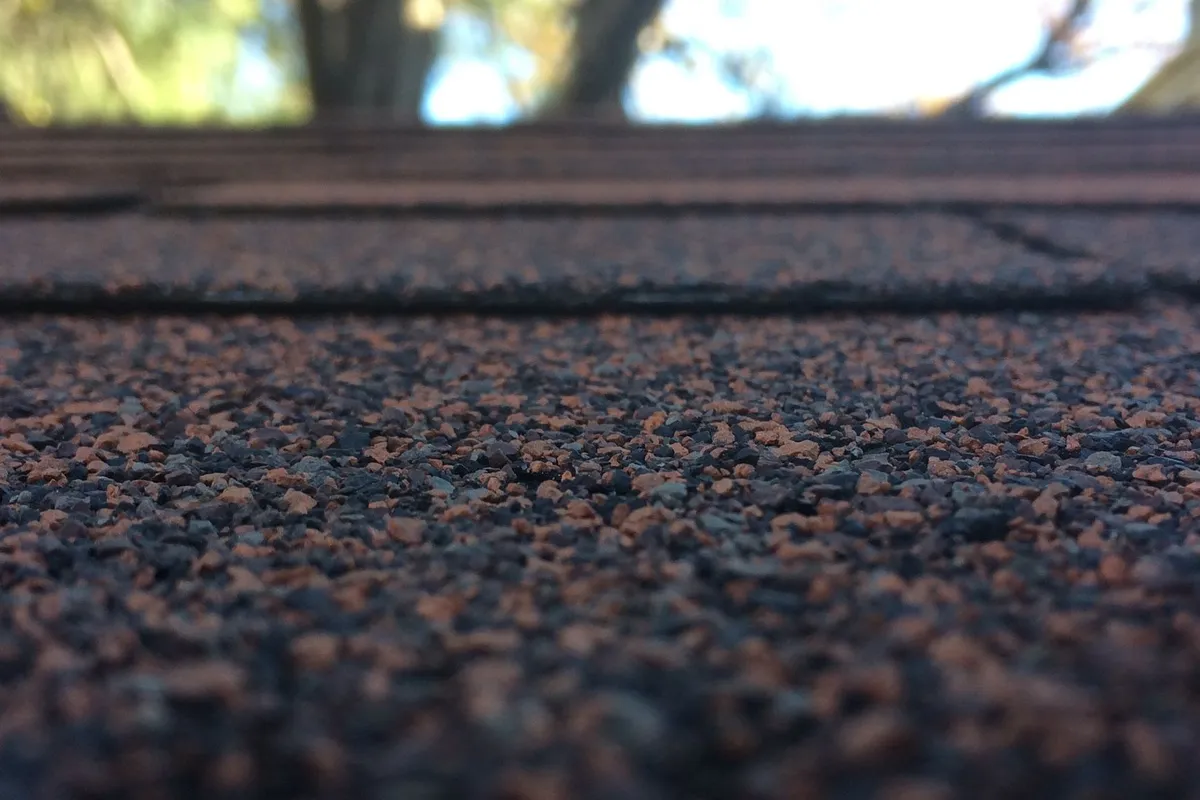
Roof damage is not always obvious from the yard. A ceiling mark that returns after rain, a loose shingle near a gutter, or debris from roofing material can be reasons to arrange an inspection. Catching a problem before more water enters helps limit the area that needs attention.
Look for changes you can observe safely without stepping onto the roof:
- Damp spots around ceiling corners or exterior walls.
- Shingles that appear lifted, torn, or missing.
- Loose metal around a chimney or roof opening.
- Water dripping beneath an overhang during rainfall.
- Roofing fragments collecting at downspout outlets.
These clues identify a concern, but they do not establish its cause. The entry point may be some distance from the damage visible indoors. Avoid climbing onto a wet surface to investigate.
How a local roof repair inspection starts
The first step is describing what happened. Note when the issue appeared, which room is affected, and whether the leak occurs during every rain or only under certain conditions. Photos taken from the ground or inside the house can help explain the pattern.
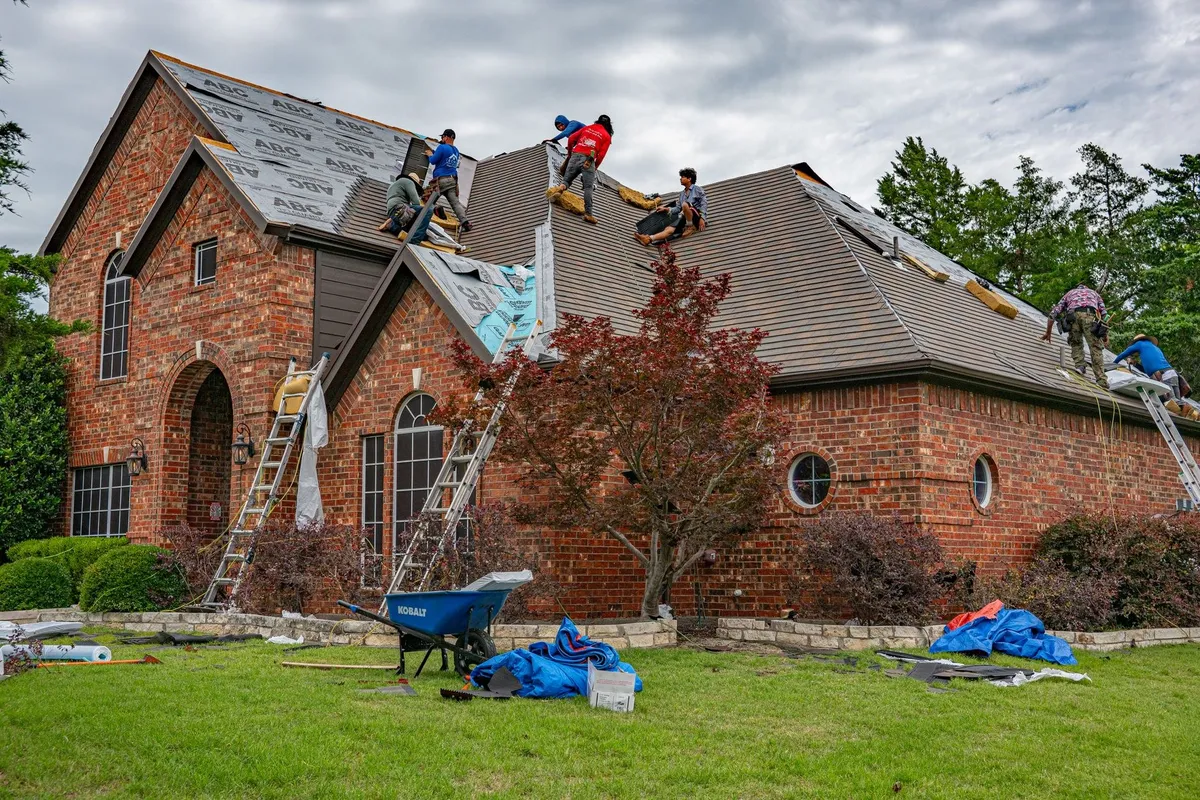
Next, the contractor examines the affected roofing and adjoining details. Depending on access and the symptoms, the inspection may also include accessible attic areas. The goal is to trace the water path and distinguish the source from damage caused along the way.
Integris Roofing Houston provides residential and commercial roofing services. Its technicians can walk you through inspection findings so you understand which parts of the roof need work and why.
What targeted roof repair involves
Once the problem is identified, the repair scope should describe the materials involved and the area being addressed. A damaged shingle, an open flashing joint, and deteriorated material around a vent require different approaches. Covering every issue with surface sealant may leave the underlying defect unresolved.
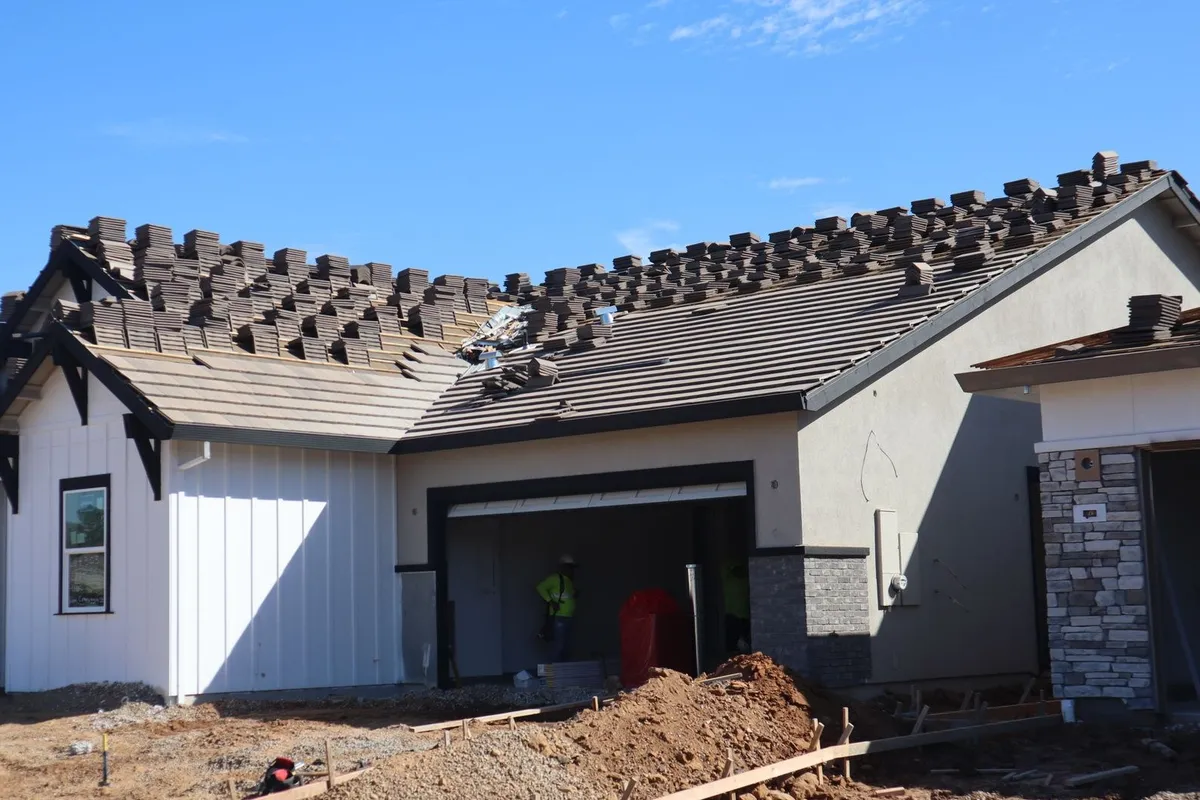
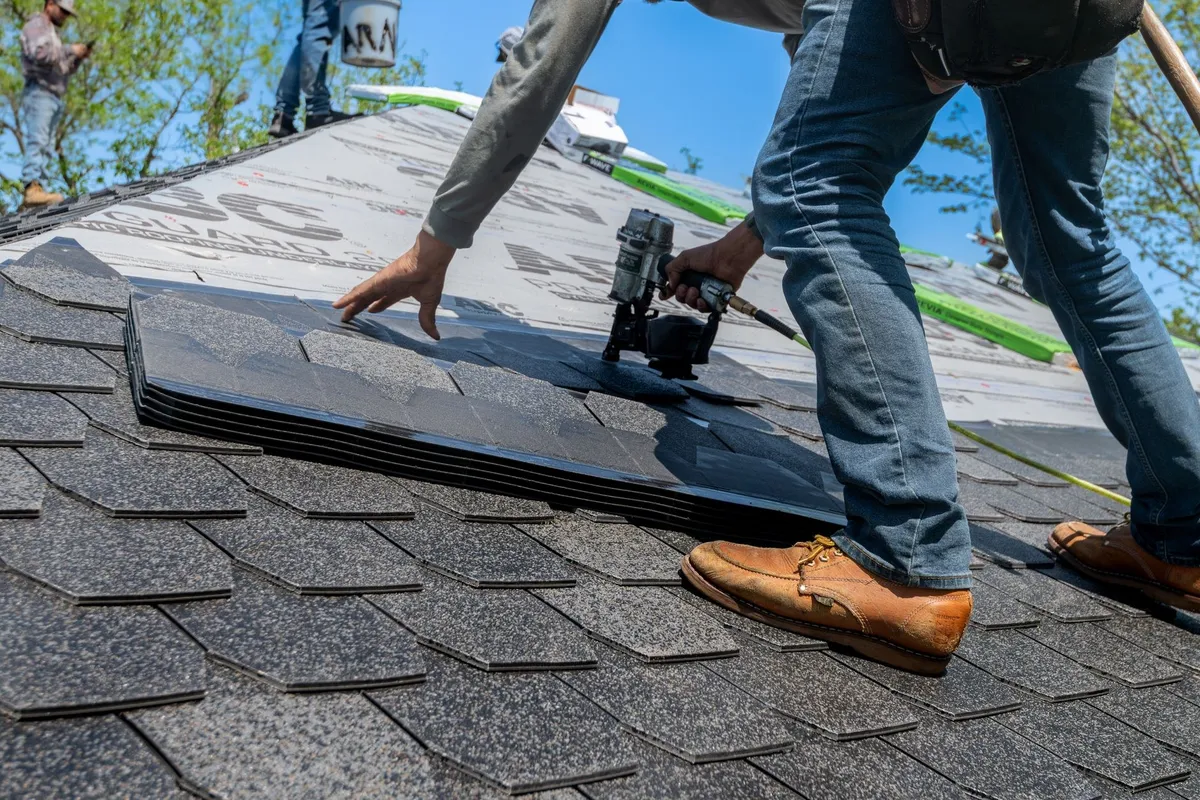
Work generally follows a practical sequence: provide safe access, remove affected material where needed, examine the exposed area, and install suitable replacement components. If concealed deterioration appears during removal, discuss the finding and any change in scope before proceeding.
The finished detail should direct water onto the roof surface and toward drainage points. Cleanup and a review of the completed work help close out the job. Ask what was replaced and whether any nearby conditions still need attention.
Planning local roof repair Houston around your property
In Houston, repair planning should account for rainfall, the condition of the roof, and access around the building. Tell the contractor about narrow side yards, locked gates, overhead lines, or landscaping near the work area. These details affect how materials and equipment reach the roof.
Explain any previous repairs as well. An older patch may hide the original problem or show where a leak has returned. Keeping inspection notes and repair records gives you a useful reference if symptoms develop elsewhere later.
For local roof repair Houston, call Integris Roofing Houston at +1713-587-6195 to discuss the signs you have noticed and arrange an inspection.
Local Roof Repair Houston: Common Questions
Can local roof repair address a leak without replacing the entire roof?
A repair may be appropriate when the defect is limited and surrounding materials remain serviceable. An inspection helps determine whether the problem is isolated or part of broader deterioration.
What information should I prepare before calling about local roof repair?
Record the location of the visible damage, when it started, and any previous work in that area. Share photographs taken from a safe position if they help show the symptoms.
Should I wait until it rains again to request a roof inspection?
You can report the issue as soon as you notice it. Details about the last rainfall and any indoor moisture can help the contractor investigate even when conditions are dry.