When roof repair near me becomes a priority
A roof problem may first show up inside the house rather than on the shingles. A damp ceiling, peeling paint near an exterior wall, or moisture around a fireplace can point to an opening above. The visible mark helps guide an inspection, but it does not necessarily sit directly beneath the entry point.
Outside, displaced roofing material or debris in a roof valley may deserve attention. Look from the ground instead of climbing onto a wet or damaged surface. If you notice a ceiling bulging with water, keep people away from that area and arrange professional help.
Useful details to record before calling include:
- The room where moisture appeared and when you first noticed it.
- Whether the problem happens during every rain or only certain storms.
- Any roofing pieces found on the ground.
- Recent work involving rooftop equipment or exterior attachments.
- Photographs taken safely from indoors or ground level.
A nearby roof repair inspection follows the evidence
An inspection should connect the indoor symptoms with conditions on the roof. That may involve checking the attic, when accessible, and examining flashing, penetrations, valleys, and the surrounding roofing material. Vent boots and transitions between roof sections are worth checking because several materials meet in those locations.
Finding one loose shingle does not automatically explain every stain. A useful assessment considers whether there are multiple openings and whether moisture has affected layers beneath the visible surface. Ask the contractor to explain the suspected source and show you the affected area when practical.
For someone searching for roof repair near me, this explanation makes it easier to understand what the proposed work will actually address.
How a local roof repair job progresses
The first step is to define the repair area and discuss access. The contractor should explain which materials need attention, whether anything must be removed, and what conditions could change the scope after the roof is opened.
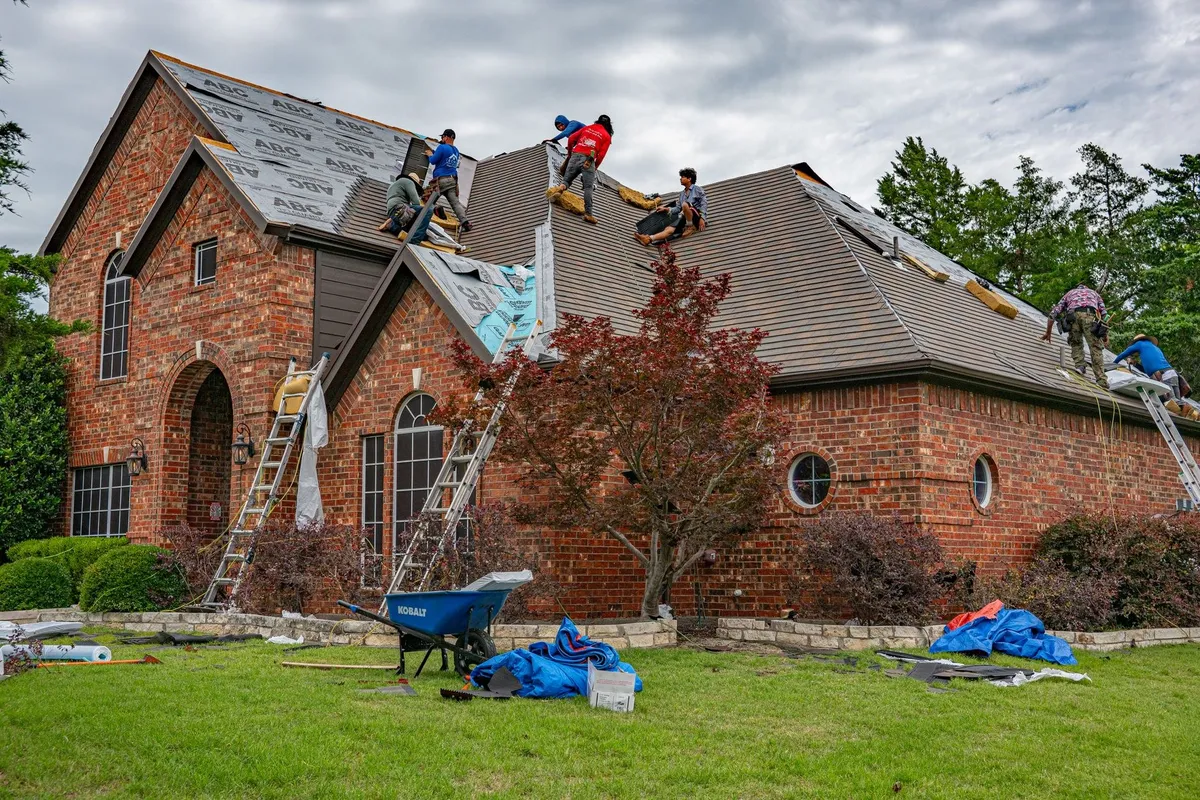
Next, the work area is prepared. Depending on the problem, damaged roofing components may be removed so the underlying surface can be examined. Deteriorated decking or wet materials may require additional work rather than simply covering the opening.
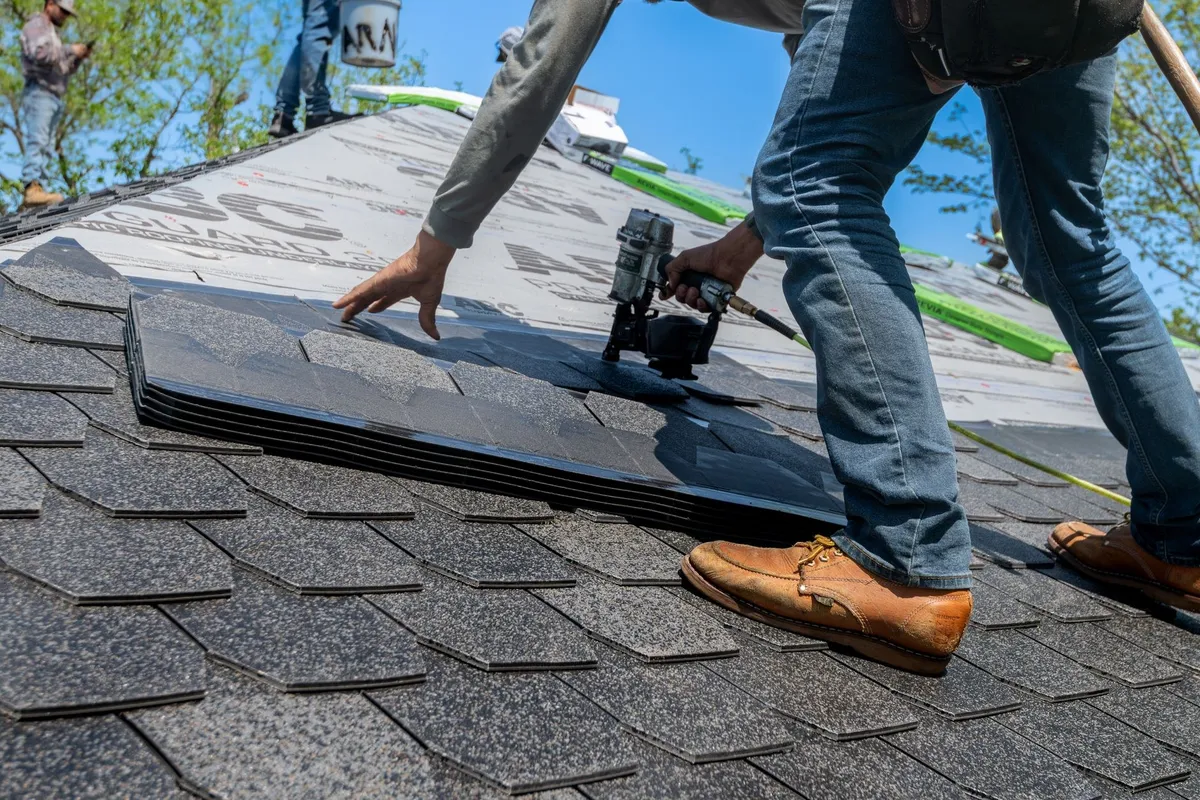
The repair then rebuilds the affected section using materials and installation methods suited to the existing roof. Flashing details should direct water outward, and replacement roofing should integrate with adjacent sections. Cleanup and a final review help establish what was completed and whether further attention is recommended.
Houston roof repair and the next practical step
Houston rain can make an intermittent leak difficult to trace between storms. Sharing the timing of the leak helps the contractor investigate relevant details. Weather conditions also affect when a roof can be accessed and when particular repair materials can be installed properly.
Integris Roofing Houston offers roof repair along with residential and commercial roofing services. Its provided business information describes technicians who explain inspection findings and the work involved. That makes the inspection conversation a useful opportunity to ask about the cause, repair boundaries, and any remaining concerns.
When comparing roof repair near me options, give each contractor the same description of the issue. Ask what is included and how unexpected damage will be discussed before additional work proceeds.
To discuss your roof problem and arrange an inspection, call Integris Roofing Houston at +1713-587-6195.
Roof Repair Near Me: Common Questions
What information should I provide when calling for roof repair near me?
Describe where you see damage, when it started, and whether it changes during rain. Mention any safe photographs you have and whether the attic is accessible.
Can a nearby roofing contractor repair only the leaking section?
A localized repair may be appropriate when the problem is limited and surrounding materials remain usable. An inspection is needed to determine whether damage extends beyond the visible opening.
Should I climb onto the roof before requesting help?
You can share observations from the ground without going onto the roof. Leave close inspection of elevated, slippery, or damaged areas to a professional.